The Citizens Flood Requirement
Hits Everyone in 2027.
If your home is insured with Citizens, you will need a separate flood policy by January 1, 2027, even if you are not in a flood zone. Here is what that means for homeowners from Panama City to Apalachicola.

The Short Version
- Florida law requires Citizens Property Insurance policyholders to carry flood insurance, phased in by the home’s dwelling replacement cost.
- The last group, every remaining Citizens policyholder, must have flood coverage by January 1, 2027.
- It applies even if your home is not in a FEMA high-risk flood zone.
- NFIP policies usually have a 30-day waiting period, so do not wait until your renewal notice arrives.
- An independent agent can compare NFIP and private flood options, and check whether a private carrier could replace Citizens altogether.
Every week someone sits down in our Port St. Joe office with a Citizens renewal and a confused look. The question is almost always the same: “Why is Citizens telling me I need flood insurance? I’m not even in a flood zone.” Here is the plain-English version.
What changed?
Citizens Property Insurance Corporation is Florida’s state-backed insurer of last resort, and it insures a lot of homes along the Forgotten Coast and in Bay County. In 2022, Florida lawmakers added a requirement that Citizens policyholders also carry flood insurance. Homes in high-risk flood zones came first. Everyone else has been phased in based on the home’s dwelling replacement cost:
| Dwelling replacement cost | Flood coverage required by |
|---|---|
| $600,000 or more | January 1, 2024 |
| $500,000 or more | January 1, 2025 |
| $400,000 or more | January 1, 2026 |
| All remaining Citizens policyholders | January 1, 2027 |
That last row is the big one. It covers most of the modest homes, mobile homes and older family houses in Wewahitchka, Callaway, Highland View, Eastpoint and everywhere in between.
Why does it matter if I am not in a flood zone?
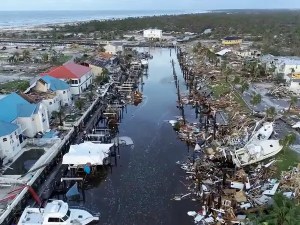
Because flooding does not read FEMA maps. Hurricane Michael pushed storm surge into Mexico Beach and Port St. Joe, and heavy rain floods low spots inland every year. A homeowners policy, from Citizens or anyone else, never covers flood damage. Outside the high-risk zones, flood insurance is often far less expensive than people expect.
Your options
1. Buy an NFIP flood policy
The National Flood Insurance Program writes flood coverage for homes in every zone. Rates are based on your home’s individual flood risk, including distance to water, elevation and construction.
2. Buy a private flood policy
Private flood carriers sometimes offer higher limits or lower prices, especially for homes outside high-risk zones. Citizens accepts private flood coverage that meets its requirements, so ask your agent to confirm before you buy.
3. Get out of Citizens altogether
Citizens is supposed to be the last resort. Private carriers have been returning to the Florida market, and some homes that landed in Citizens a few years ago may now qualify for a private policy, without the flood mandate attached. It is worth a fresh comparison every renewal.
Not sure where you stand?
Send us your Citizens declarations page and we will tell you your deadline and compare flood and private options.
What to have ready when you call
- Your current Citizens declarations page
- An elevation certificate, if you have one
- Your wind-mitigation and 4-point inspections, if available
- Your mortgage company’s insurance requirements
We work with homeowners in Mexico Beach, Port St. Joe, Cape San Blas, Wewahitchka, Apalachicola and across Panama City every day. Learn more about flood insurance or read our flood insurance FAQs.
Frequently Asked Questions
Do I need flood insurance with Citizens if I am not in a flood zone?
Yes. Under Florida law, all remaining Citizens policyholders must carry flood insurance by January 1, 2027, regardless of flood zone.
Does my homeowners policy cover flood?
No. Standard homeowners policies, including Citizens policies, do not cover flood damage. Flood coverage is a separate policy.
Can I use a private flood policy instead of NFIP?
Often, yes. Citizens accepts private flood policies that meet its requirements. Your agent can confirm before you buy.
How long does it take for flood insurance to start?
NFIP policies generally have a 30-day waiting period, with some exceptions such as a policy bought at a mortgage closing. Private flood waiting periods vary.
Get ahead of your 2027 deadline.
Our local agents compare NFIP, private flood and private homeowners options for Bay, Gulf and Franklin County homes.
This article is general information, not legal or financial advice. Coverage is subject to policy terms, underwriting and availability. Rules and programs can change, so confirm details with your agent.