The lights are up, the guest list is growing, and the kitchen is already working overtime. Christmas brings more people, more activity, and more risk into your home than any other week of the year. Yet most homeowners never ask the one question that matters most: if something goes wrong, who pays?
Liability coverage is the quiet part of your homeowners policy that steps in when a guest gets hurt, a neighbor’s property is damaged, or a holiday mishap turns into a lawsuit. Understanding how it works before December 25 is the difference between a memorable season and an expensive one. Here is what every Gulf Coast homeowner should know about Christmas holiday and liability policies.
Why Christmas Is the Riskiest Week for Your Liability Coverage
The numbers tell the story. The U.S. Consumer Product Safety Commission reports roughly 14,000 emergency room visits each holiday season from decorating injuries alone, most of them falls. The National Fire Protection Association adds that Christmas tree fires, while rare, cause an average of $12 million in property damage annually and are far more likely to be deadly than typical home fires.
Add icy steps (yes, even in Florida mornings), crowded driveways, overloaded extension cords, and a house full of people who don’t know where the dog is, and your exposure multiplies. Liability insurance exists for exactly these moments.
What Does Liability Insurance Actually Cover During the Holidays?
Personal liability coverage, included in most standard homeowners, condo, and renters policies, pays for bodily injury or property damage you or your family cause to others. During Christmas, that typically means:
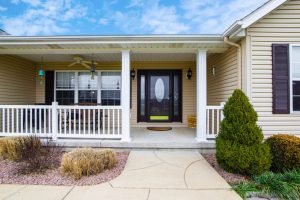
- A guest slips on your porch and breaks a wrist
- Your child’s new drone crashes through a neighbor’s window
- Your dog bites a visiting relative
- A candle or tree fire spreads to the unit next door
- A guest trips over extension cords and files a claim
Coverage usually includes legal defense costs, which can exceed the damages themselves. Most policies carry $100,000 in liability protection by default, but many insurance professionals recommend $300,000 to $500,000 for homeowners with assets to protect.
Frequently Asked Questions About Christmas Liability
Am I covered if a guest gets hurt at my holiday party?
Yes, in most cases. Your personal liability coverage responds when a guest is injured on your property due to a hazard you should have addressed. Your policy’s medical payments coverage, often $1,000 to $5,000, can also pay minor medical bills regardless of fault, which frequently prevents a small injury from becoming a lawsuit.
What if I serve alcohol and a guest drives home and causes an accident?
This is the question that keeps attorneys busy every January. Florida’s social host liability laws are narrower than many states, but you can still face claims if you knowingly serve a minor or a visibly intoxicated guest. Your homeowners liability coverage generally applies, but the limits may not. Serious accidents routinely exceed $300,000. If you host large gatherings, an umbrella policy is worth a serious look.
Does my policy cover gifts stolen from my car or porch?
Theft of personal property falls under your homeowners or renters policy’s personal property coverage, not liability. Porch piracy and car break-ins spike in December, and your deductible applies. Keep receipts and photograph high-value gifts before wrapping them.
Are my Christmas decorations covered if a storm damages them?
Outdoor decorations are typically covered as personal property, subject to your deductible. However, if your inflatable Santa blows into a neighbor’s car, that becomes a liability claim. Secure outdoor displays properly, especially on the Gulf Coast where December winds are no joke.
Does renters insurance include liability coverage?
It does, and it is one of the most affordable protections available. A renters policy with $100,000 in liability coverage often costs less than $20 per month. If you rent and host for the holidays, you need this.
What about short-term holiday rentals or Airbnb guests?
A standard homeowners policy typically excludes business activity, and renting your home to paying guests counts. If you rent out your home or a room during the holidays, talk to your agent before the first booking. Landlord or short-term rental endorsements exist for exactly this situation.
5 Steps to Protect Yourself Before the Guests Arrive
- Review your liability limits now. Pull your declarations page and look for “Personal Liability.” If it says $100,000, consider raising it. The cost difference is usually minimal.
- Add an umbrella policy if you entertain often. A $1 million umbrella policy frequently costs $150 to $300 per year and sits above your home and auto coverage.
- Walk your property like a guest would. Fix loose railings, light the walkway, tape down cords, and clear the driveway. Documenting these steps also helps if a claim is ever filed.
- Confirm your pet is covered. Some carriers exclude certain breeds or require disclosure. A holiday dog bite is one of the most common and most expensive liability claims.
- Keep your contact information current with your agent. If something happens on Christmas Eve, you want to reach a real person, not a call center.
Protect the Season, Not Just the Presents
Christmas should be about the people in your home, not the paperwork that follows an accident. A few minutes reviewing your liability coverage now can protect your savings, your home, and your peace of mind all season long. Policies renew, limits change, and holiday risks grow every year. Make the call before the first guest knocks.
If you live in Panama City, Port St. Joe, or anywhere along Florida’s Gulf Coast, an independent agent can compare your options across multiple carriers and tell you exactly where your coverage stands. That conversation takes fifteen minutes. The alternative can take years. Request your free quote today.
Coverage availability and eligibility vary by property, applicant and insurance carrier. Speak with a licensed insurance agent regarding your specific needs.